


Introduction
In the fast-paced world of customer service, workforce management software is the backbone of a productive call center. As customer expectations rise and service channels multiply, having the right tools in place isn’t just helpful—it’s essential. Workforce management software boosts efficiency, enhances agent performance, and ultimately drives better customer satisfaction.
Let’s explore how this technology can transform your operations and unlock your call center’s full potential.
Let’s explore how this technology can transform your operations and unlock your call center’s full potential.
What Is Workforce Management Software?
Before diving into its impact, it’s important to understand what workforce management software (WFM) does. Simply put, WFM tools help call centers schedule agents, forecast demand, track performance, and manage adherence. Most systems integrate real-time data analytics to provide supervisors with immediate insight into staffing needs and agent behavior.
Because modern call centers handle fluctuating volumes across multiple channels—phone, chat, email—WFM software ensures resources are allocated smartly and no interaction goes unanswered.
Because modern call centers handle fluctuating volumes across multiple channels—phone, chat, email—WFM software ensures resources are allocated smartly and no interaction goes unanswered.
Why Workforce Management Software Is a Game-Changer for Productivity
Accurate Forecasting Reduces Overstaffing and Idle Time
One of the biggest drains on productivity is inefficient staffing. WFM software uses historical data and predictive analytics to forecast call volume and customer interaction trends. This allows managers to staff just the right number of agents at any given time—no more, no less.
Moreover, by reducing overstaffing, businesses can cut costs without compromising customer service. It’s a win-win for both the budget and the bottom line.
Moreover, by reducing overstaffing, businesses can cut costs without compromising customer service. It’s a win-win for both the budget and the bottom line.
Smarter Scheduling Improves Agent Utilization
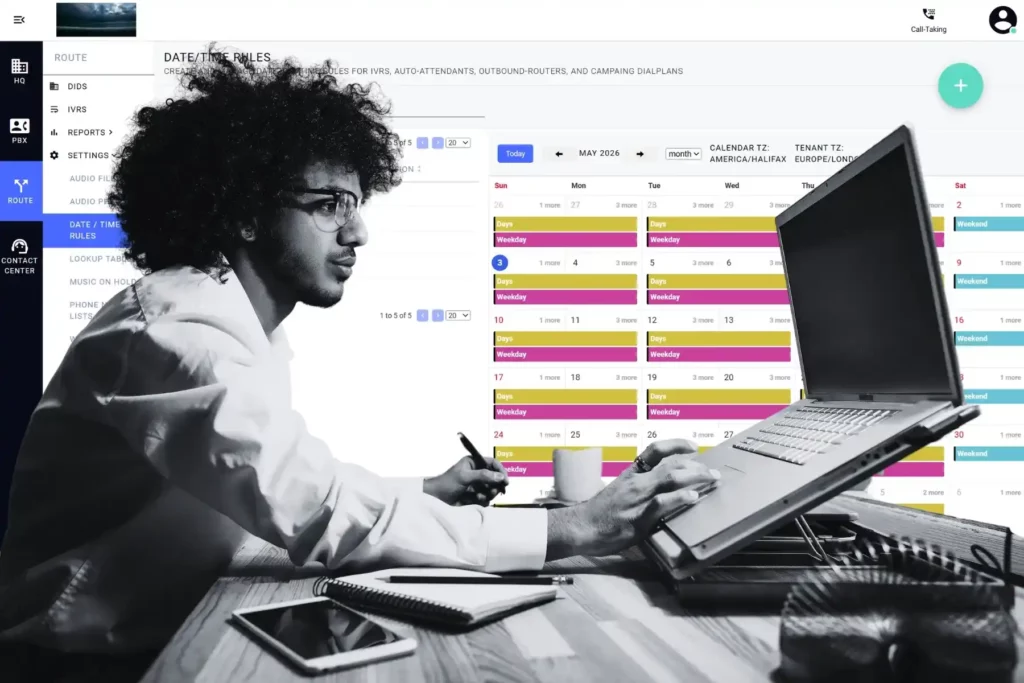
Gone are the days of clunky spreadsheets and guesswork. Workforce management software automates scheduling based on agent availability, skill sets, and predicted demand. This means agents are working during peak times, and breaks are strategically placed to avoid service gaps.
As a result, productivity climbs because agents stay engaged, well-rested, and ready to handle every interaction with focus and energy.
As a result, productivity climbs because agents stay engaged, well-rested, and ready to handle every interaction with focus and energy.
Real-Time Monitoring Enhances Agent Performance
Another productivity booster is the software’s ability to track agent adherence in real time. Managers get instant visibility into whether agents are sticking to their schedules, staying active on calls, or falling behind. This real-time insight allows for quick interventions before small issues snowball into major productivity losses.
In turn, this keeps performance consistent and reduces the need for reactive management.
In turn, this keeps performance consistent and reduces the need for reactive management.
Empowering Agents Through Transparency and Flexibility
Self-Service Tools Boost Engagement
When agents feel empowered, they work more efficiently. Many WFM systems include agent self-service portals where employees can view their schedules, request time off, or swap shifts. Giving agents more control not only improves work-life balance but also reduces scheduling conflicts and absenteeism.
And when your team is happy, your customers feel it too.
And when your team is happy, your customers feel it too.
Skill-Based Scheduling Enhances First-Call Resolution
WFM software also allows for skill-based routing and scheduling. This means the right agent is assigned to the right task, boosting the likelihood of first-call resolution. In other words, customers get answers faster, and agents spend less time transferring calls or digging for solutions.
Fewer escalations, better outcomes.
Fewer escalations, better outcomes.
Turning Data Into Actionable Insights
WFM tools generate detailed reports on call volume, agent performance, customer wait times, and more. These analytics help leaders identify bottlenecks, forecast trends, and improve long-term strategies. With this kind of data at your fingertips, it’s easier to make smart, informed decisions that drive continuous improvement.
Additionally, ongoing optimization ensures that your call center can adapt quickly to changes in demand or customer behavior.
Additionally, ongoing optimization ensures that your call center can adapt quickly to changes in demand or customer behavior.
Future-Proofing Your Call Center
As customer expectations continue to evolve, flexibility and adaptability are key. Workforce management software enables call centers to pivot quickly, scale effectively, and maintain service quality across multiple channels. Whether you’re expanding your team, going remote, or integrating new contact methods, WFM tools help you stay ahead of the curve.
In short, it’s not just about managing today’s workload—it’s about preparing for tomorrow’s challenges.
In short, it’s not just about managing today’s workload—it’s about preparing for tomorrow’s challenges.
Final Thoughts: Productivity Starts with Smart Workforce Management Software
Workforce management software doesn’t just keep your schedules straight—it builds the foundation for a high-performing, data-driven call center. From accurate forecasting to real-time performance tracking, the right solution empowers your team to deliver exceptional service while maximizing operational efficiency.
articles
Real-Time Agent Assist: Lift CSAT Without Adding Agents
Real-time agent assist is becoming a core requirement for modern contact centers in 2026. By…

Third-Party API Integration: Fix It with JSON Payloads
A third-party API integration failed because the platform sent URL-encoded form data instead of the…
End-to-End Encryption in SIP
Not every encrypted SIP deployment delivers true end-to-end encryption — and the difference carries real…
911 & Healthcare Call Recording for Contact Centers | QSuite NG
In 911 dispatch and healthcare contact centers, call recording is the compliance safeguard, legal record,…
Contact Center Agent Turnover: Real Causes and Fixes
Contact center agent turnover costs mid-market teams over $140,000 a year — and most leaders…

Call Center Software Evaluation: 6 Questions Managers Overlook
Most call center software evaluations focus on features—but features are easy to demo. What’s hard…
Call Center Agent Burnout: Smarter WFM Solutions
Agent burnout is one of the costliest challenges in the contact center industry, with turnover…

Phone System Troubleshooting Solutions for Call Centers
Phone system issues don’t just cause frustration — they cost your call center time, revenue,…

Cloud-Based PBX Deployment Strategy for Call Centers
A cloud-based PBX deployment strategy is about more than just setting up a phone system….
Custom Contact Center Solutions: Build a Flexible Platform
Custom contact center solutions are no longer reserved for large enterprises. Learn how to build…
Discover articles organized by topic to help you stay informed on the latest trends in AI, automation, and contact center innovation. Find the insights that matter most to your business.
Explore blog tags to find connected articles, practical tips, and in-depth perspectives on AI, automation, and customer experience innovation.
Advanced Technology Agent Performance AI Asterisk Automation Call Center Call Center Management Call Center Software Call Routing Cloud Solutions Communication Cost Efficiency Customer Experience Customer Feedback Customers Customer Satisfaction Customer Service Customer Trust Cybersecurity Data Analysis and Reporting Data Security and Privacy Digital Customer Experience Efficiency Feedback Holiday Innovation Innovations in Customer Service Integration Loyalty Omnichannel Omnichannel Communication Omnichannel Support Operations Performance Personalized Customer Experience Productivity Real-Time Analytics and Reporting Service Solving Customer Problems Support Technology Top Trends Training Usability Workforce Management