


Introduction
As your customer base expands and support expectations evolve, the ability to scale your Asterisk contact center becomes not just valuable—but essential. In 2025, companies must be prepared to manage higher call volumes, growing agent teams, and increasingly complex communication channels.
This guide walks you through the most effective strategies to scale your Asterisk contact center while ensuring performance, reliability, and exceptional customer experience remain your top priorities.
This guide walks you through the most effective strategies to scale your Asterisk contact center while ensuring performance, reliability, and exceptional customer experience remain your top priorities.
Why You Must Scale Asterisk Contact Center Operations in 2025
Customer expectations are at an all-time high. Not only do they want fast responses, but they also expect personalized service through multiple channels. Therefore, your contact center must be agile enough to grow without sacrificing service quality.
When done right, scaling improves both agent efficiency and customer satisfaction. On the other hand, poor scaling can lead to longer wait times, dropped calls, and frustrated teams. For these reasons, it’s critical to have a smart scaling strategy in place before the demand overwhelms your infrastructure.
When done right, scaling improves both agent efficiency and customer satisfaction. On the other hand, poor scaling can lead to longer wait times, dropped calls, and frustrated teams. For these reasons, it’s critical to have a smart scaling strategy in place before the demand overwhelms your infrastructure.
Evaluate Your Current Infrastructure Before Scaling
Before you start expanding, you need to understand your current limitations.
Begin by analyzing the following:
Begin by analyzing the following:
- Concurrent call capacity: Are you regularly hitting your maximum?
- Server performance: Is CPU or memory usage nearing critical levels?
- Queue efficiency: Are customers waiting longer than they should?
- Call quality: Are jitter or latency issues becoming more frequent?
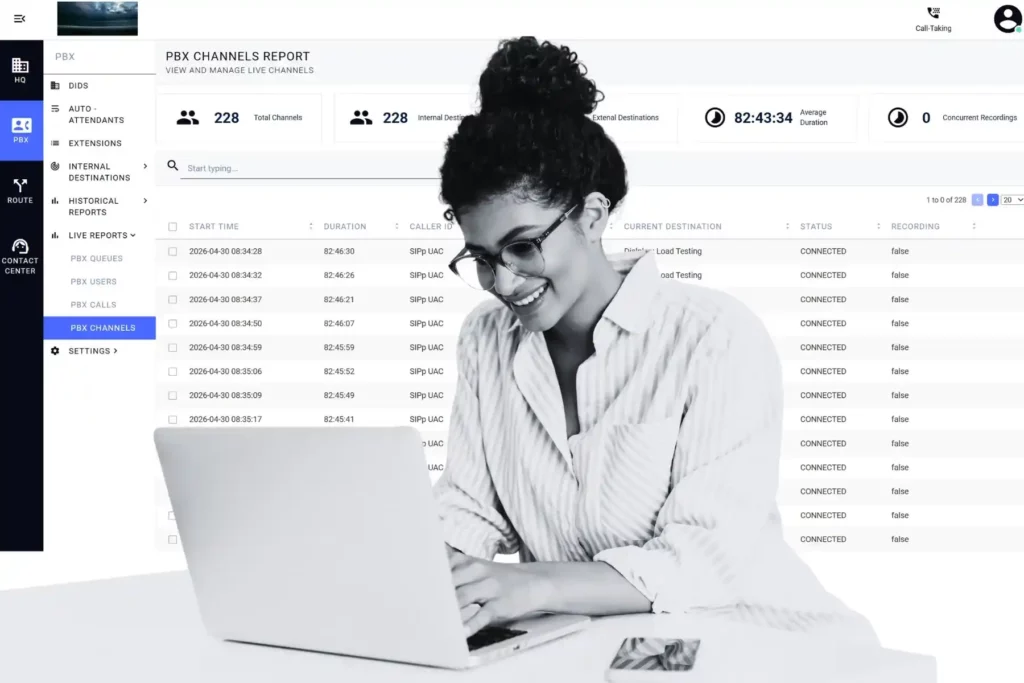
Additionally, make use of tools like Asterisk CLI or VoIPmonitor to track real-time usage and identify pressure points. By establishing a performance baseline now, you’ll be able to measure the success of your scaling efforts later.
Consider Horizontal Scaling for Greater Flexibility
Rather than relying solely on one powerful server, you should explore horizontal scaling. This approach distributes workloads across multiple Asterisk servers, allowing you to grow incrementally.
With this method, you gain several advantages. First, you can isolate specific services such as IVR or call recording. Second, you improve fault tolerance, reducing the risk of downtime. Finally, you make it easier to scale on demand, without the need for complete system overhauls.
To implement this, consider tools like Kamailio or OpenSIPS, which can intelligently route SIP traffic between servers based on availability and load.
With this method, you gain several advantages. First, you can isolate specific services such as IVR or call recording. Second, you improve fault tolerance, reducing the risk of downtime. Finally, you make it easier to scale on demand, without the need for complete system overhauls.
To implement this, consider tools like Kamailio or OpenSIPS, which can intelligently route SIP traffic between servers based on availability and load.
Improve Call Routing Logic as You Grow
While adding resources is important, optimizing your internal workflows is equally vital. In particular, your call routing logic should evolve alongside your system.
For instance, skill-based routing can direct calls to the most qualified agents, reducing handle times and improving customer satisfaction. You might also benefit from dynamic queue structures that adjust based on real-time agent availability or customer priority levels.
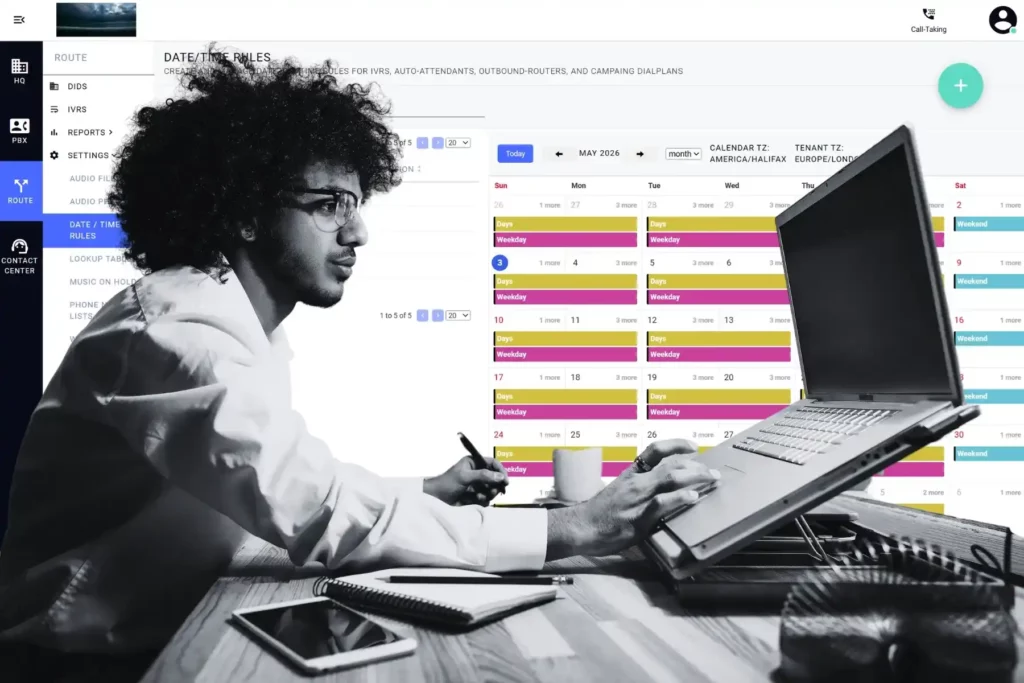
Moreover, don’t overlook the value of time-based routing or geo-routing, especially if your contact center supports multiple regions or time zones.
For instance, skill-based routing can direct calls to the most qualified agents, reducing handle times and improving customer satisfaction. You might also benefit from dynamic queue structures that adjust based on real-time agent availability or customer priority levels.
Moreover, don’t overlook the value of time-based routing or geo-routing, especially if your contact center supports multiple regions or time zones.
Integrate Scalable Tools and Platforms
As your contact center expands, so will the need for smarter tools. Fortunately, Asterisk integrates well with a wide range of business platforms that scale alongside your operation.
These may include:
These may include:
- CRM systems for better customer context (e.g., Salesforce, HubSpot)
- Ticketing platforms for case management (e.g., Zendesk, Freshdesk)
- Omnichannel communication tools for SMS, chat, and social media
- Real-time analytics dashboards for better decision-making
When choosing software, always prioritize solutions that offer robust API access and can handle increased data loads as your business grows.
Explore Hybrid or Cloud Deployments for Maximum Scalability
While on-premise systems offer control, they may limit your ability to grow quickly. That’s why many companies are moving to hybrid or fully cloud-based Asterisk environments.
A hybrid setup lets you maintain core services on-site while shifting overflow or backup functions to the cloud. Conversely, a cloud-native deployment offers nearly unlimited scalability and simplified maintenance.
Furthermore, using container technologies like Docker and Kubernetes can streamline deployment and allow your team to spin up new instances quickly and efficiently.
If your long-term growth strategy includes remote agents, multiple sites, or international support, cloud adoption becomes even more critical to successfully scale your Asterisk contact center.
A hybrid setup lets you maintain core services on-site while shifting overflow or backup functions to the cloud. Conversely, a cloud-native deployment offers nearly unlimited scalability and simplified maintenance.
Furthermore, using container technologies like Docker and Kubernetes can streamline deployment and allow your team to spin up new instances quickly and efficiently.
If your long-term growth strategy includes remote agents, multiple sites, or international support, cloud adoption becomes even more critical to successfully scale your Asterisk contact center.
Use Automation and Monitoring to Stay Ahead
As your system becomes more complex, automation and monitoring will help you manage it effectively. These tools not only reduce manual workload but also ensure consistent performance.
Start by automating common tasks such as:
Start by automating common tasks such as:
- Agent provisioning
- Call recording management
- Scheduled backups
- System updates
At the same time, implement robust monitoring solutions like Grafana, Prometheus, or Zabbix to track CPU usage, call volume, and queue health. When issues arise, real-time alerts allow you to respond proactively rather than reactively.
Future-Proof Your Asterisk Contact Center
Scaling is not a one-time action—it’s an ongoing process. Therefore, it’s important to regularly assess performance, anticipate future needs, and adjust accordingly.
Make time to:
Make time to:
- Conduct quarterly system audits
- Gather feedback from agents and customers
- Stay updated on Asterisk releases and best practices
- Experiment with AI tools like voice bots or intelligent IVR
By doing so, you not only scale your Asterisk contact center effectively but also build a system that evolves with your business.
articles

Real-Time Agent Assist: Lift CSAT Without Adding Agents
Real-time agent assist is becoming a core requirement for modern contact centers in 2026. By…

Third-Party API Integration: Fix It with JSON Payloads
A third-party API integration failed because the platform sent URL-encoded form data instead of the…
End-to-End Encryption in SIP
Not every encrypted SIP deployment delivers true end-to-end encryption — and the difference carries real…
911 & Healthcare Call Recording for Contact Centers | QSuite NG
In 911 dispatch and healthcare contact centers, call recording is the compliance safeguard, legal record,…
Contact Center Agent Turnover: Real Causes and Fixes
Contact center agent turnover costs mid-market teams over $140,000 a year — and most leaders…

Call Center Software Evaluation: 6 Questions Managers Overlook
Most call center software evaluations focus on features—but features are easy to demo. What’s hard…
Call Center Agent Burnout: Smarter WFM Solutions
Agent burnout is one of the costliest challenges in the contact center industry, with turnover…

Phone System Troubleshooting Solutions for Call Centers
Phone system issues don’t just cause frustration — they cost your call center time, revenue,…

Cloud-Based PBX Deployment Strategy for Call Centers
A cloud-based PBX deployment strategy is about more than just setting up a phone system….
Custom Contact Center Solutions: Build a Flexible Platform
Custom contact center solutions are no longer reserved for large enterprises. Learn how to build…
Discover articles organized by topic to help you stay informed on the latest trends in AI, automation, and contact center innovation. Find the insights that matter most to your business.
Explore blog tags to find connected articles, practical tips, and in-depth perspectives on AI, automation, and customer experience innovation.
Advanced Technology Agent Performance AI Asterisk Automation Call Center Call Center Management Call Center Software Call Routing Cloud Solutions Communication Cost Efficiency Customer Experience Customer Feedback Customers Customer Satisfaction Customer Service Customer Trust Cybersecurity Data Analysis and Reporting Data Security and Privacy Digital Customer Experience Efficiency Feedback Holiday Innovation Innovations in Customer Service Integration Loyalty Omnichannel Omnichannel Communication Omnichannel Support Operations Performance Personalized Customer Experience Productivity Real-Time Analytics and Reporting Service Solving Customer Problems Support Technology Top Trends Training Usability Workforce Management