

Introduction
For organizations that rely on SIP-based communication for sensitive conversations, regulatory compliance, or customer trust, understanding what end-to-end encryption in SIP actually requires is no longer optional. Moreover, true E2EE demands more than simply enabling TLS. Specifically, it calls for deliberate architectural decisions that shape how signaling and media flow across the entire call path.
Therefore, this article breaks down how encryption works in SIP, what qualifies as authentic end-to-end encryption, and what enterprises should consider when designing a secure VoIP infrastructure.
The Two Layers of SIP Communication: Signaling and Media
First, signaling manages call setup and control. It carries the SIP messages that establish, modify, and terminate sessions, including
INVITE, REGISTER, and BYE, along with metadata such as caller identity, routing information, and codec negotiation.Second, the media carries the actual audio or video stream. SIP deployments typically transport media over the Real-time Transport Protocol (RTP) or its secure counterpart, SRTP.
Because these two layers operate independently, securing one does not automatically secure the other. For example, a SIP call that uses TLS for signaling but plain RTP for media still leaks call content. Consequently, true end-to-end encryption in SIP must address both layers simultaneously.
What Defines True End-to-End Encryption in SIP
For a SIP call to qualify as end-to-end encrypted, no intermediate infrastructure between the two endpoints should ever access either signaling or media content.
In practical terms, a genuine end-to-end SIP architecture must satisfy three conditions:
- The endpoints encrypt signaling in transit, and no intermediate system terminates or inspects that signaling.
- The endpoints negotiate media keys directly with each other, so no intermediate node ever holds those keys.
- Proxies and routing components forward encrypted packets without decrypting them, acting as transparent relays rather than mediators.
This architecture differs sharply from traditional VoIP deployments. In particular, Session Border Controllers (SBCs) typically operate as Back-to-Back User Agents (B2BUAs). A B2BUA terminates both signaling and media sessions, decrypting traffic on one side and re-establishing a separate encrypted session on the other as packets flow through the network.
In B2BUA-based environments, encryption may remain cryptographically strong; however, it is not end-to-end. As a result, the infrastructure retains the ability to access the contents of every call.
When End-to-End Encryption in SIP Makes Business Sense
For internal enterprise telephony, transport-level encryption (TLS for signaling, SRTP for media) plus strong access controls and network segmentation often suffices. Furthermore, organizations in this category usually prioritize call recording, supervisor monitoring, IVR integration, and analytics — all of which require infrastructure to process media.
However, certain organizations have a clear business case for full E2EE:
- Healthcare providers that handle protected health information under HIPAA.
- Financial institutions that face confidentiality obligations and regulator scrutiny.
- Legal and government agencies that manage privileged or classified communications.
- Privacy-focused service providers whose value proposition rests on guaranteeing that even the operator cannot listen in.
Designing a Secure SIP Architecture
If maximum privacy is the goal, the architecture must:
- Support peer-to-peer key exchange — for example, DTLS-SRTP or ZRTP.
- Avoid unnecessary media termination at SBCs and gateways.
- Ensure that routing components forward encrypted traffic transparently.
- Keep authentication credentials and key material away from intermediate systems.
In short, enabling TLS alone does not equal end-to-end encryption. Instead, true E2EE represents an architectural commitment, not a single configuration flag.
Frequently Asked Questions (FAQs)
QS 1. Is TLS the same as end-to-end encryption in SIP?
Q2: Does SRTP guarantee end-to-end encryption?
Q3: Can a Session Border Controller (SBC) preserve end-to-end encryption?
Q4: Do contact centers need end-to-end encryption?
Key Takeaways
Therefore, when evaluating SIP security, the critical question is not whether you have turned on encryption, but how you have implemented it. Ultimately, the right model depends on your business priorities, regulatory obligations, and the balance between operational control and strict confidentiality.
articles
Real-Time Agent Assist: Lift CSAT Without Adding Agents

Third-Party API Integration: Fix It with JSON Payloads
End-to-End Encryption in SIP
911 & Healthcare Call Recording for Contact Centers | QSuite NG
Contact Center Agent Turnover: Real Causes and Fixes
Call Center Software Evaluation: 6 Questions Managers Overlook
Call Center Agent Burnout: Smarter WFM Solutions
Phone System Troubleshooting Solutions for Call Centers
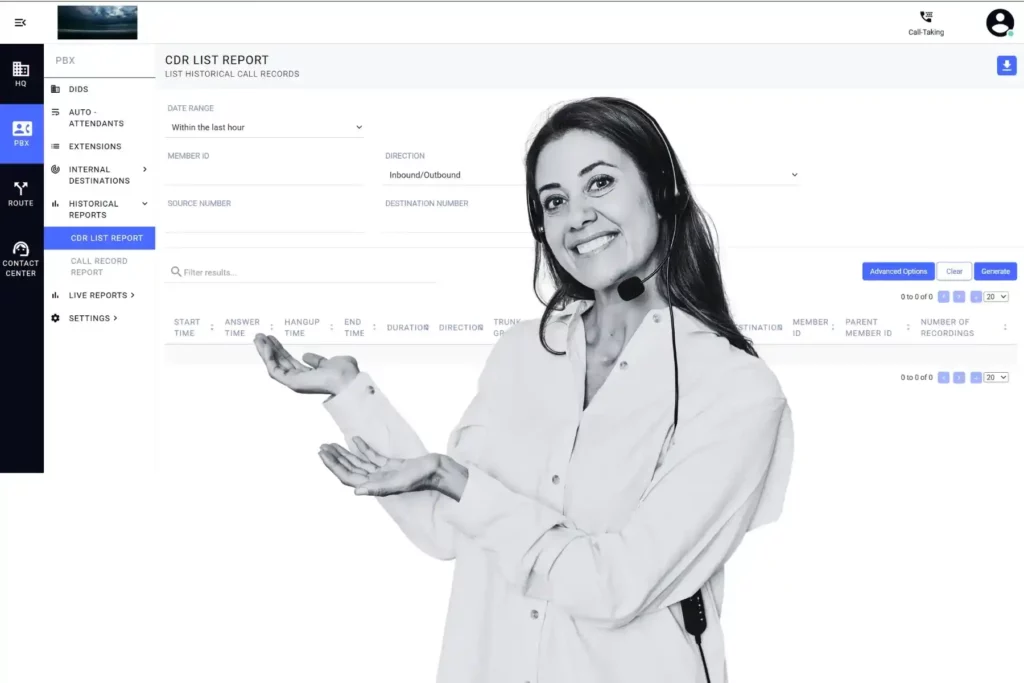
Cloud-Based PBX Deployment Strategy for Call Centers
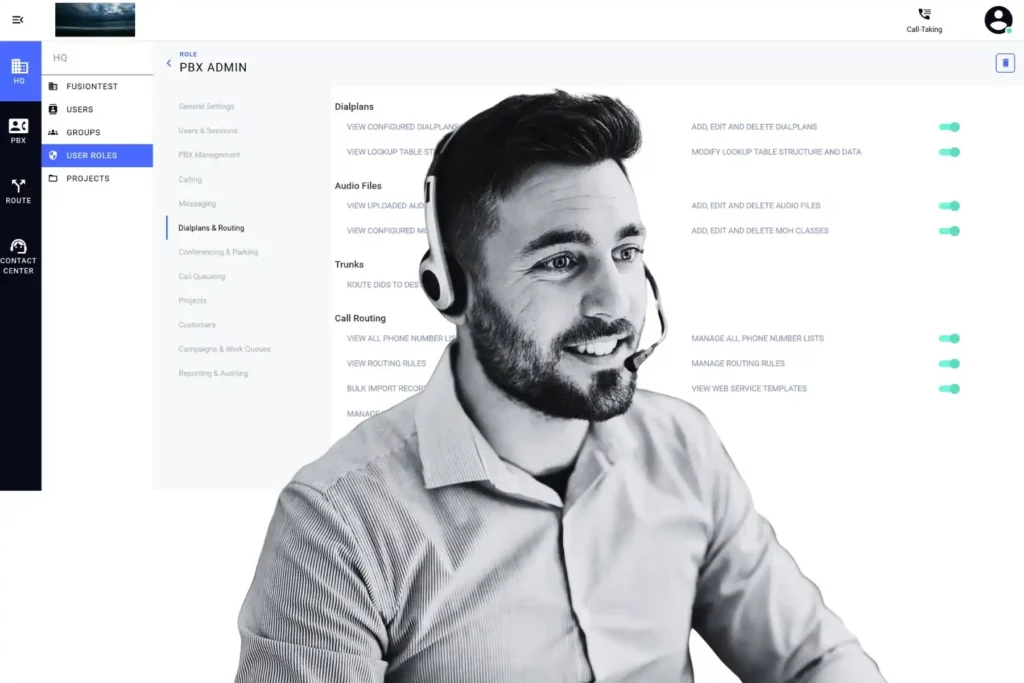
Custom Contact Center Solutions: Build a Flexible Platform
Advanced Technology Agent Performance AI Asterisk Automation Call Center Call Center Management Call Center Software Call Routing Cloud Solutions Communication Cost Efficiency Customer Experience Customer Feedback Customers Customer Satisfaction Customer Service Customer Trust Cybersecurity Data Analysis and Reporting Data Security and Privacy Digital Customer Experience Efficiency Feedback Holiday Innovation Innovations in Customer Service Integration Loyalty Omnichannel Omnichannel Communication Omnichannel Support Operations Performance Personalized Customer Experience Productivity Real-Time Analytics and Reporting Service Solving Customer Problems Support Technology Top Trends Training Usability Workforce Management

CONTACT US
Talk to Indosoft about secure SIP architecture.
For more than two decades, Indosoft has engineered carrier-grade SIP and contact center solutions for organizations that take security seriously. Whether you need transport-level encryption or a fully end-to-end encrypted architecture for privacy-critical workloads, our team will help you design and deploy the right model. Contact us for a confidential consultation.

Leave a Reply