


Introduction
In today’s digital-first world, customers demand more than just fast service—they want a seamless, personalized experience across every channel. For call centers, adopting an omnichannel communication strategy isn’t just a smart choice—it’s a game-changing move that meets rising expectations while boosting operational efficiency.
Let’s break down what an omnichannel communication strategy really means, why it’s critical for call centers, and how it can transform your customer support from reactive to remarkable.
Let’s break down what an omnichannel communication strategy really means, why it’s critical for call centers, and how it can transform your customer support from reactive to remarkable.
What Is an Omnichannel Communication Strategy?
Put simply, an omnichannel communication strategy unifies all communication channels—phone, email, SMS, live chat, and even social media—into one seamless system. Instead of managing each channel in isolation, this approach ensures a single, continuous conversation across all platforms.
For instance, when a customer starts a support chat and later calls the helpdesk, the agent handling the call already has access to the chat history. As a result, the customer doesn’t have to repeat themselves, and the agent can resolve the issue more efficiently.
This approach leads to better experiences for customers and smarter workflows for agents.
For instance, when a customer starts a support chat and later calls the helpdesk, the agent handling the call already has access to the chat history. As a result, the customer doesn’t have to repeat themselves, and the agent can resolve the issue more efficiently.
This approach leads to better experiences for customers and smarter workflows for agents.
Why Call Centers Need It Now
The customer journey is no longer linear. Because people interact with businesses on multiple channels, often switching between them mid-conversation, call centers must adapt accordingly.
Here’s why implementing this strategy is no longer optional:
Here’s why implementing this strategy is no longer optional:
- Improved Customer Satisfaction: Customers value speed and convenience. A connected system allows for smoother handoffs and fewer repeated questions.
- Faster Resolution Times: Agents get a full view of the customer’s journey, which speeds up troubleshooting.
- Higher Agent Productivity: Since all tools are integrated, agents can focus on solving problems rather than switching tabs.
- Stronger Brand Consistency: Your tone, voice, and messaging stay aligned—regardless of the communication channel.
Ultimately, an omnichannel communication strategy allows call centers to deliver a consistent experience that customers trust.
Essential Features of a Strong Omnichannel Communication Strategy
To implement this strategy successfully, your call center needs more than just access to different platforms. You need integration, intelligence, and the ability to pivot between channels effortlessly.
1. Centralized Customer Data
Firstly, all customer information should be stored and accessible from one dashboard. This allows agents to see the entire customer history, regardless of how the conversation started.
2. Flexible Channel Handoffs
Next, customers should be able to switch between channels—say, from a chatbot to a live agent—without losing context. This flexibility enhances convenience and reduces frustration.
3. AI-Powered Routing and Automation
Additionally, intelligent automation helps route inquiries to the right agent while taking care of simple, repetitive tasks in the background. As a result, your team can focus on higher-level support.
Common Roadblocks—and How to Solve Them
Although the benefits are clear, implementing an omnichannel communication strategy can come with a few challenges. However, these obstacles are manageable with the right approach.
- Disconnected Legacy Systems: Older tools may not integrate well. Switching to a modern cloud-based solution often eliminates this issue.
- Limited Staff Training: New systems require new skills. Continuous training ensures agents stay confident and capable.
- Overwhelming Data Volumes: With data coming from every channel, analysis can become tricky. That’s where dashboards and analytics tools come in—they provide clarity and actionable insights.
So while implementation may require effort upfront, the long-term rewards far outweigh the initial challenges.
Why It’s the Future of Customer Support
Consumer expectations are evolving, and businesses must evolve with them. A successful omnichannel communication strategy allows call centers to keep up—and even stay ahead.
Because it empowers agents, streamlines operations, and improves customer experience, this approach is quickly becoming the industry standard.
Moreover, as AI and machine learning continue to advance, omnichannel-ready platforms will adapt faster, enabling even more personalized and predictive support.
Because it empowers agents, streamlines operations, and improves customer experience, this approach is quickly becoming the industry standard.
Moreover, as AI and machine learning continue to advance, omnichannel-ready platforms will adapt faster, enabling even more personalized and predictive support.
Final Thoughts on Omnichannel Communication Strategy for Call Centers
If you’re looking to modernize your support operations, a well-executed omnichannel communication strategy is the place to start. It eliminates silos, creates a consistent brand experience, and positions your call center as a leader in customer service.
Whether you’re scaling your team, boosting retention, or enhancing service quality, the right strategy makes it all possible.
Whether you’re scaling your team, boosting retention, or enhancing service quality, the right strategy makes it all possible.
articles
Intelligent Call Routing Solutions Fix Overload
Many contact centers mistake high call volume as the cause of poor service, but intelligent…
Cost to Serve Optimization Strategies for Better CX
Cost to serve optimization is no longer just a financial priority — it is a…
Contact Center Benchmark Insights 2025–2026
Contact center benchmark insights for 2025 to 2026 reveal a clear and urgent message: customer…

Call Center Optimization Tactics Leading Brands Use
Discover the call center optimization tactics that leading brands use to sharpen their competitive edge….

Contact Center Performance Metrics: Top 10 KPIs to Track in 2026
In 2026, contact centers that rely on guesswork instead of data are falling behind. The…

Poor CX Strategy Impact: How It Hurts Revenue
A poor CX strategy does more damage than most contact centers realize until it is…

Scale Customer Satisfaction Automation: 5 Proven CX Lessons
Scaling customer satisfaction is no longer just about adding more agents — it is about…
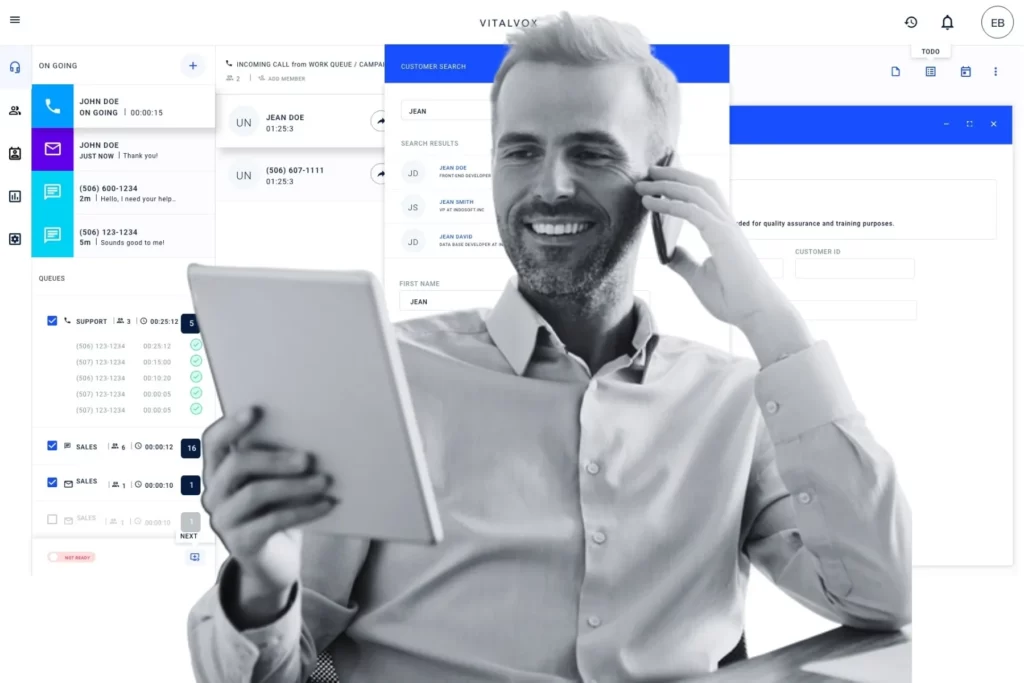
Contact Center Intelligence: Evolving from Reactive to Proactive
Reactive contact centers are losing ground fast. As customer expectations continue to rise, the businesses…

Contact Center Strategy Failing? Here’s What Leaders Do Right
Many contact centers are falling short — not because of their people, but because of…

Asterisk and AI Integration: Smarter Call Centers Are Already Here
Asterisk has always been a powerful foundation for call centers, but paired with AI, it…
Discover articles organized by topic to help you stay informed on the latest trends in AI, automation, and contact center innovation. Find the insights that matter most to your business.
Explore blog tags to find connected articles, practical tips, and in-depth perspectives on AI, automation, and customer experience innovation.
Advanced Technology Agent Performance AI Asterisk Automation Call Center Call Center Management Call Center Software Call Routing Cloud Solutions Communication Cost Efficiency Customer Experience Customer Feedback Customers Customer Satisfaction Customer Service Customer Trust Cybersecurity Data Analysis and Reporting Data Security and Privacy Digital Customer Experience Efficiency Feedback Holiday Innovation Innovations in Customer Service Integration Loyalty Omnichannel Omnichannel Communication Omnichannel Support Operations Performance Personalized Customer Experience Productivity Real-Time Analytics and Reporting Service Solving Customer Problems Support Technology Top Trends Training Usability Workforce Management